

Flavors of the Mediterranean: A Greek Cuisine Journey
Greek cuisine is a vibrant expression of the Mediterranean lifestyle, where fresh ingredients, time-honored traditions, and communal dining come together in perfect balance. Rooted in the generous use of olive oil, vegetables, herbs, and simple preparations, Greek food has earned global recognition for both its flavor and health benefits. Beyond the plate, it reflects centuries of history, regional influences, and a deep respect for sharing meals as a social ritual. This journey through Greek culinary culture explores the dishes, ingredients, and evolving trends that continue to shape one of the world’s most enduring and beloved food traditions. Together, these elements highlight why Greek cuisine continues to resonate with food lovers across generations. From family-owned tavernas to modern catering menus, Greek food remains deeply connected to both community and creativity. Its emphasis on balance and freshness continues to influence global dining habits.
Explore the Cultural Foundations of Greek Cuisine
Greek cuisine is a mosaic of flavors that intertwines rich history with modern-day evolution. Traditional Greek dishes offer a unique insight into Greece’s culture and history, reflecting the country’s agricultural abundance and culinary artistry. The significance of Greek dishes goes beyond taste; it's about ingraining a story, a sense of belonging, and a celebration of ingredients sourced from both land and sea. Each ingredient tells a tale of both heritage and innovation, prominently featuring in classic dishes that have become globally adored. This depth of meaning elevates Greek food from simple nourishment to a cultural experience.
Celebrate the Iconic Role of Gyros in Greek Dining
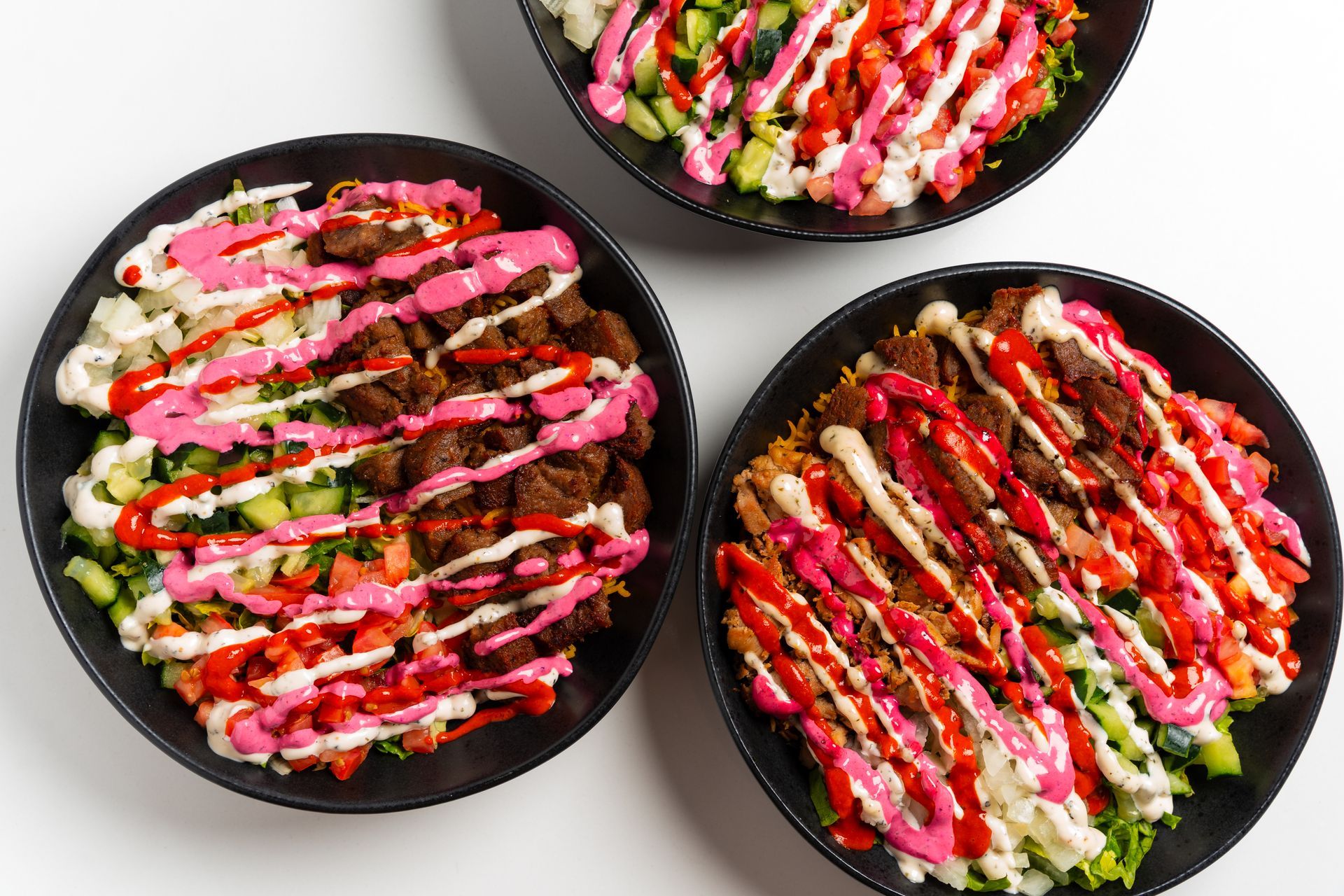
Gyros, a beloved street food, is synonymous with Greek cuisine and a must-try for any visitor. This iconic dish features succulent meat, typically pork or chicken, marinated with a blend of herbs and spices, slow-roasted on a vertical rotisserie. It is traditionally served in pita bread, which encases a savory combination of meat, tomatoes, onions, and a generous dollop of tzatziki sauce. The gyro is more than just a dish; it represents the art of combining simple ingredients to create a flavorful harmony, showcasing Greece's love for communal and on-the-go dining experiences. Its widespread popularity makes it one of the most recognizable symbols of Greek street food culture.
Over the years, gyros have evolved from street food into a sought-after item on gourmet menus, often adapted to cater to varying tastes while still maintaining their Greek essence. As a staple of catering businesses focused on Mediterranean cuisine, gyros offer flexibility and widespread appeal, remaining a top choice for those aiming to introduce Greek flavor profiles to their clients. Greek catering services often include a range of gyros options, from traditional to modern variations, emphasizing the adaptability and timeless popularity of this dish. This evolution demonstrates how Greek cuisine successfully bridges casual dining and upscale culinary experiences.
According to IBISWorld, over the past five years, the Mediterranean restaurants industry revenue has benefited from increased consumer spending and disposable income. This economic trend has further popularized dishes like gyros, as more consumers seek authentic yet convenient dining options. With the rise of food festivals and cultural events, gyros continue to captivate the taste buds and imagination of people around the world, solidifying their status as a culinary ambassador of Greece. Its continued visibility ensures Greek flavors remain accessible to a global audience.
Embrace the Plant-Based Appeal of Falafel
Falafel, although widely associated with Middle Eastern cuisine, holds a cherished spot in Greek food culture, particularly among plant-based diners. These deep-fried balls made from ground chickpeas or fava beans are seasoned with a mix of herbs and spices, offering a nutritious and tasty alternative to meat-based offerings. Served in pita wraps or as part of a larger meze platter, falafel encapsulates the essence of Greek hospitality—sharing flavorful, health-conscious dishes with family and friends. Its versatility allows it to fit seamlessly into both traditional and modern menus.
The popularity of falafel in Greece is a testament to the country's openness to culinary influences from across the Mediterranean. Its presence in Greek cuisine highlights a harmonious blend of flavors and cultures, creating a versatile dish that fits seamlessly into modern dietary trends. As more people embrace plant-based eating, falafels have become a staple in Greek catering businesses, ensuring that they meet the diverse preferences of today's consumers while maintaining traditional appeal. This adaptability reinforces falafel’s role in contemporary Greek dining.
Catering businesses benefit significantly from the inclusion of falafel in their offerings as it caters to the growing demand for vegetarian and vegan options in events and restaurants. As part of the world’s acclaimed Mediterranean diet, falafel aligns with trends favoring health-conscious eating, impacting both consumer choice and industry revenue. Its adaptability within menus allows catering services to remain competitive by offering diverse, globally-inspired buffet choices while staying true to Mediterranean roots. This makes falafel both a practical and profitable menu addition.
Appreciate the Timeless Importance of Pita Bread
No journey through Greek cuisine is complete without the presence of pita bread, a quintessential accompaniment to a myriad of dishes. This flat, round bread is often served warm, used for scooping up dips, wrapping gyros, or enveloping fresh ingredients for a quick, satisfying meal. Pita bread is revered for its simplicity, versatility, and its ability to complement and elevate other dish components through texture and taste. It is the perfect example of how a humble staple can hold immense culinary importance. Its universal appeal makes it a foundational element of Mediterranean dining.
The story of pita bread stretches back thousands of years, reflecting the deep-rooted agricultural traditions of Greece. As a staple of the daily Greek diet, it epitomizes the essence of what it means to craft fulfilling, soul-satisfying food from simple beginnings. In modern times, pita bread has gained international acclaim, expanding its reach from traditional markets to contemporary eateries and playing a vital role in both traditional and modern gastronomy. This enduring presence underscores its cultural and culinary significance.
Pita bread's growing recognition internationally provides a critical insight into how Greek culinary practices impact the global food landscape. With the resurgence of Mediterranean-inspired dining and its resultant catering business boom, pita bread maintains a vital spot on menus thanks to its versatility. It not only enhances Mediterranean dining experiences but also supports diverse food trends within the bustling Mediterranean restaurant market, as seen in rising industry revenue reports from IBISWorld. Its continued popularity highlights the lasting influence of Greek food traditions.
Greek cuisine offers far more than a collection of well-loved dishes—it tells a story of heritage, adaptability, and connection. From iconic street foods to foundational staples, each element reflects a culture that values balance, flavor, and togetherness. As Greek food continues to evolve within modern dining and catering landscapes, it remains firmly anchored in tradition while embracing contemporary tastes and dietary trends. This enduring ability to honor the past while appealing to the present has secured Greek cuisine a lasting place on the global culinary stage. With every meal, it invites people everywhere to experience the richness of Mediterranean living, one thoughtfully crafted dish at a time. Whether enjoyed casually or at a catered event, Greek cuisine brings people together through shared flavors and meaningful moments. Its timeless appeal ensures it will continue inspiring food lovers around the world for generations to come. Reach out to Oh Mmm Gyros Katy to learn more about what our menu has to offer today.



Share On: